Which POS System Is Best for an All-Purpose Retail Store?
Discover the best POS system for an all-purpose retail store. Compare essential features for inventory, sales, billing, and business management. Read our full Blog for more Information!
Running an all-purpose retail store—whether it’s a neighborhood general store, a hybrid boutique, or a diverse local market—comes with a unique set of operational challenges. Unlike a specialized apparel boutique or a dedicated restaurant, an all-purpose shop handles a wildly diverse inventory. You might sell packaged groceries, electronics accessories, household items, seasonal decor, and apparel all under one roof.
Because your product lines are varied, your point-of-sale (POS) needs are complex. Finding the best POS system for an all-purpose retail store means looking past niche features and focusing on flexibility, robust multi-department inventory control, and seamless checkout speed.
What Makes an All-Purpose Retail Store Different?
An all-purpose retail environment requires a POS system that acts as the operational heartbeat of the business. Key characteristics of these stores include:
High SKU Diversity
Managing thousands of unique stock-keeping units across drastically different categories requires a flexible POS. Your system must handle everything from apparel to electronics effortlessly, allowing you to bulk-import items, organize deep product hierarchies, and prevent costly stockouts across your entire catalog.
Mixed Inventory Tracking
General retail demands versatile tracking methods. Whether you sell items by individual barcodes, weighted measures, or variable sizes and colors, your POS should seamlessly adapt. Accurate tracking ensures that every single sale—from a single grocery item to bulk home goods—is recorded instantly.
Diverse Customer Base
A neighborhood store serves everyone from quick walk-in shoppers to loyal, regular community members. A robust POS captures customer data, tracks purchase history, and manages personalized loyalty or store credit programs, helping you build lasting relationships and turn casual shoppers into lifelong fans.
Omnichannel Demand
Modern shoppers expect a seamless bridge between your physical shelves and digital storefronts. A unified POS syncs your in-store inventory with your e-commerce platform in real time, eliminating overselling, supporting convenient local pickup options, and giving you a complete view of your overall sales performance.
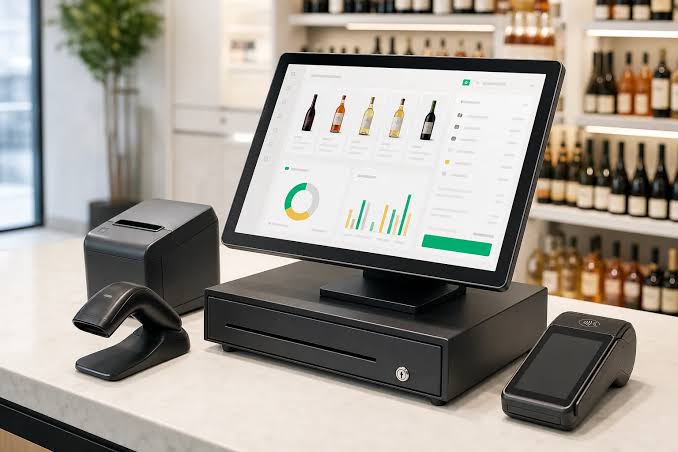
Must-Have Features in a General Retail POS
Before naming top contenders, let’s break down the essential features an all-purpose retail POS system must possess:
Advanced Inventory Management
Real-time stock tracking is non-negotiable for general retail. Every sale—from a bulk household good to a small accessory—must update inventory instantly. Look for robust features like matrix inventory for sizes and colors, automated low-stock alerts, and reliable barcode scanning to prevent costly stockouts across thousands of items.
Omnichannel & Multi-Department Capability
General stores juggle vast product ranges. Your POS must logically organize items into distinct departments while seamlessly syncing your physical shelves with your e-commerce platform. This unified approach eliminates overselling, simplifies local store pickups, and guarantees accurate stock visibility across every sales channel.
Reliable Offline Mode
Internet outages should never halt your checkout line. A resilient point-of-sale system must allow you to continue scanning items and processing transactions completely offline. Once your internet connection is restored, the software automatically syncs all sales data, inventory counts, and records without missing a single beat.
Customer Relationship Management (CRM) & Loyalty
Neighborhood and general stores thrive on strong community bonds. Built-in CRM tools allow you to track customer purchase histories, manage store credit, and run customized loyalty programs. These valuable insights help you reward repeat shoppers, personalize interactions, and turn casual foot traffic into lifelong regulars.
Flexible Hardware & Payment Options
Every checkout should be fast and friction-free. Your POS must support diverse payment methods—including credit cards, mobile wallets, cash, split payments, and gift cards. Pair these with adaptable hardware options, such as all-in-one desktop terminals and mobile barcode scanners, to fit your store's unique physical layout.
Top POS Contenders for All-Purpose Retailers
While the "best" choice depends heavily on your exact budget and scale, a few standouts heavily favor general retail environments:
Best Overall for Scalable Inventory Control: Vibe Retail POS
Why It Fits? Vibe places inventory control at the absolute center of its platform. For general stores juggling multi-department stock, it offers real-time inter-store sync, automated low-stock warnings, and smooth e-commerce integration.
Best Global Cloud Solution: InkeepX Global Cloud POS
Why It Fits? Ideal for versatile, multi-department layouts (like supermarkets, mixed goods, and general stores), InkeepX supports multi-currency and multi-store setups, handling complex variations, barcodes, and built-in offline functionality seamlessly.
Best for Budget-Friendly, Small-Footprint Shops: Square for Retail
Why It Fits? Square is famous for its intuitive interface, ease of setup, and strong hardware ecosystem. It’s a great fit for smaller, all-purpose independent shops that need straightforward inventory tracking without a steep learning curve.
How to Choose the Right System for Your Store?
To zero in on the exact right software for your shop, ask yourself these three questions:
How Complex is Your Inventory?
If you have over 5,000 SKUs across vastly different product categories, prioritize a POS with heavy-duty inventory categorization and bulk-import features.
Do You Plan to Expand?
If you plan on opening a second location or launching an online storefront next year, choose a cloud-based POS that scales effortlessly.
What is Your Total Cost of Ownership?
Look past the monthly subscription fee. Factor in payment processing rates, hardware costs (terminals, cash drawers, barcode scanners), and potential fees for advanced inventory modules.
Final Thoughts
The best POS system for an all-purpose retail store isn't the one with the flashiest features—it's the one that eliminates friction at checkout, keeps your stock accurate across a chaotic mix of products, and gives you clear insights into what is actually driving your profit. Take advantage of free trials and live software demos to test the user interface before making a long-term commitment.