What Is Inventory Management Software and Why Do Businesses Need It?
In today’s fast-paced market, customer expectations are higher than ever. Read our full Blog for more Information!
A customer places a large order on your e-commerce store. Your team scrambles to the warehouse, only to discover the item is completely out of stock—even though your website said you had five left. To make matters worse, somewhere in the back corner, thousands of dollars worth of last season’s product are sitting on a shelf gathering dust, taking up valuable storage space.
If this scenario sounds familiar, you aren't alone. Managing inventory manually or using outdated spreadsheets often leads to human error, stockouts, and tied-up capital.
Enter inventory management software (IMS).
Whether you run a growing e-commerce brand, a bustling retail storefront, or a wholesale distribution business, IMS is the engine that keeps your operations running smoothly. In this guide, we’ll break down what inventory management software is, how it works, and why your business needs it to scale.
What Is Inventory Management Software?
Inventory management software is a digital solution that tracks a company's stock levels, sales, orders, and deliveries. It automates the entire inventory lifecycle—from the moment a product is purchased from a supplier to the moment it reaches the end customer.
Instead of relying on manual data entry, paper ledgers, or static Excel spreadsheets, IMS provides real-time visibility into your stock. Every time an item is sold, returned, damaged, or reordered, the system updates instantly across all your sales channels.
Core Features of Modern Inventory Software
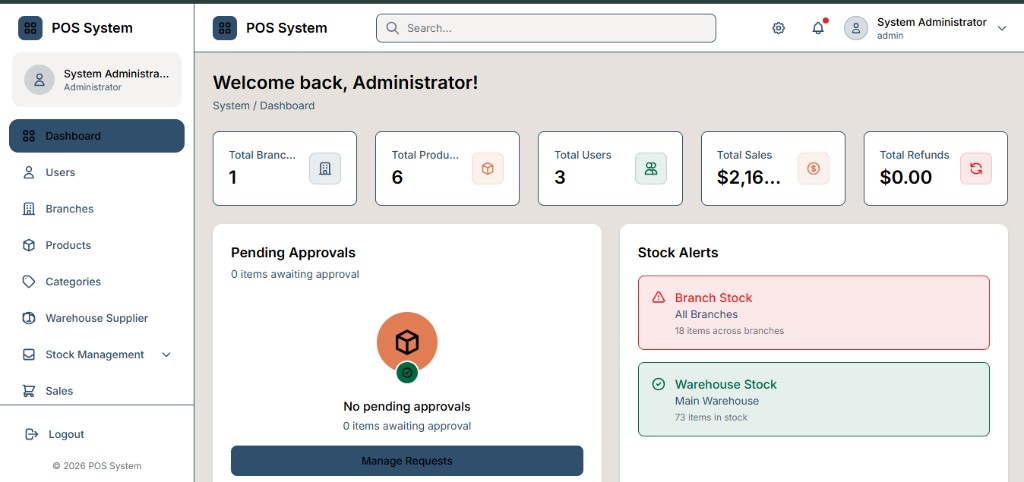
Modern inventory software goes far beyond simple stock counting, acting as the operational heartbeat of your business. By centralizing data and automating manual workflows, these powerful platforms eliminate guesswork. They empower growing brands to optimize fulfillment speed, reduce overhead costs, and seamlessly synchronize operations across multiple digital and physical sales channels for maximum profitability.
Real-Time Tracking
Real-time tracking provides instant visibility into your inventory levels across every warehouse, retail store, and sales channel simultaneously. Whenever an item is sold, returned, or transferred, the system updates immediately. This continuous accuracy eliminates blind spots, prevents discrepancies, and ensures you always know exactly what stock you have on hand.
Automated Reordering
Automated reordering takes the guesswork out of purchasing by establishing minimum stock thresholds for your products. When inventory dips below a specified level, the software automatically triggers low-stock alerts or generates purchase orders to suppliers. This proactive automation ensures you never miss a sale due to unexpected stockouts.
Barcode & RFID Integration
Barcode and RFID integration radically speed up warehouse workflows by replacing slow manual entries with instant digital scans. Your team can accurately log items during receiving, picking, and packing in seconds. This advanced automation drastically reduces human error, accelerates fulfillment times, and ensures flawless order accuracy every single time.
Multi-Channel Synchronization
Multi-channel synchronization connects your online storefronts, marketplaces like Amazon or eBay, and physical POS systems into one centralized hub. When a customer purchases an item anywhere, your inventory counts update universally in milliseconds. This seamless alignment prevents embarrassing overselling incidents and simplifies managing a complex, multi-platform retail business.
Advanced Reporting & Forecasting
Advanced reporting and forecasting analyze your historical sales data, seasonal trends, and supplier lead times to accurately predict future product demand. Instead of relying on intuition, you can make data-driven purchasing decisions. This visibility helps you minimize dead stock, cut unnecessary holding costs, and optimize your inventory investment.
Why Do Businesses Need Inventory Management Software?
Running a business without inventory software is like driving a car with a blindfold on. You might be moving forward, but you have no idea what’s coming around the next corner.
Here are the primary reasons why businesses are ditching spreadsheets and investing in IMS:
Elimination of Costly Human Errors
Manual data entry is notoriously prone to expensive mistakes, from misplaced decimal points to forgotten updates. Automated inventory software syncs information instantly across your entire network. This digital accuracy completely eliminates human error, protecting your bottom line and ensuring your business records remain flawless and reliable at all times.
Prevention of Stockouts and Overselling
Stockouts frustrate loyal customers and drive them toward competitors, while overselling causes fulfillment chaos. Inventory management software monitors your stock levels continuously, alerting you before items run out. This proactive approach ensures you always fulfill orders accurately, keeping your customers happy and your reputation intact.
Reduced Holding Costs and Waste
Excess inventory ties up vital working capital and incurs unnecessary warehousing fees. Furthermore, unmanaged stock risks turning into obsolete dead stock. Inventory software helps you maintain optimal stock levels using precise demand forecasting, significantly cutting your holding costs, reducing product waste, and maximizing your overall profitability.
Significant Time and Labor Savings
Conducting manual stock counts and updating spreadsheets consumes countless hours of employee productivity. Inventory software automates these repetitive, tedious workflows entirely. By streamlining operations, your team can redirect their valuable time and energy toward high-value growth initiatives like customer service, marketing, and expanding sales.
Seamless Multi-Channel Growth
Expanding your business across online marketplaces, your website, and physical retail stores creates immense logistical complexity. Inventory software centralizes your entire operation into a single dashboard. When an item sells anywhere, stock counts update universally in milliseconds, allowing you to scale multi-channel sales smoothly and without friction.
Key Signs Your Business Has Outgrown Spreadsheets
Wondering if it's time to upgrade from Excel to dedicated inventory management software? Look out for these red flags:
You spend hours reconciling inventory counts at the end of every month.
You frequently discover discrepancies between what your system says you have and what's actually on the shelf.
Your team frequently wastes time searching for products in the warehouse.
You have lost sales due to unexpected stockouts.
You are expanding to new sales channels or opening a second warehouse.
Final Thoughts
In today’s fast-paced market, customer expectations are higher than ever. Shoppers demand fast shipping, accurate stock availability, and seamless shopping experiences. Relying on outdated manual processes simply cannot support modern growth.
By implementing the right inventory management software, you can protect your profit margins, satisfy your customers, and scale your operations with confidence.