Custom vs Template Websites: Which One Is Better?
Choosing between a custom and template website can impact your brand, performance, scalability, and budget. Explore the key differences between custom and template websites, including design flexibility, development costs, SEO, functionality, maintenance, and scalability, to determine which option best fits your business needs.
Choosing between a custom-built website and a pre-made template is one of the most critical decisions you’ll make for your digital presence. In 2026, the gap between "good enough" and "growth-ready" has widened significantly, driven by Google's strict Core Web Vitals and the rise of AI-driven personalization.
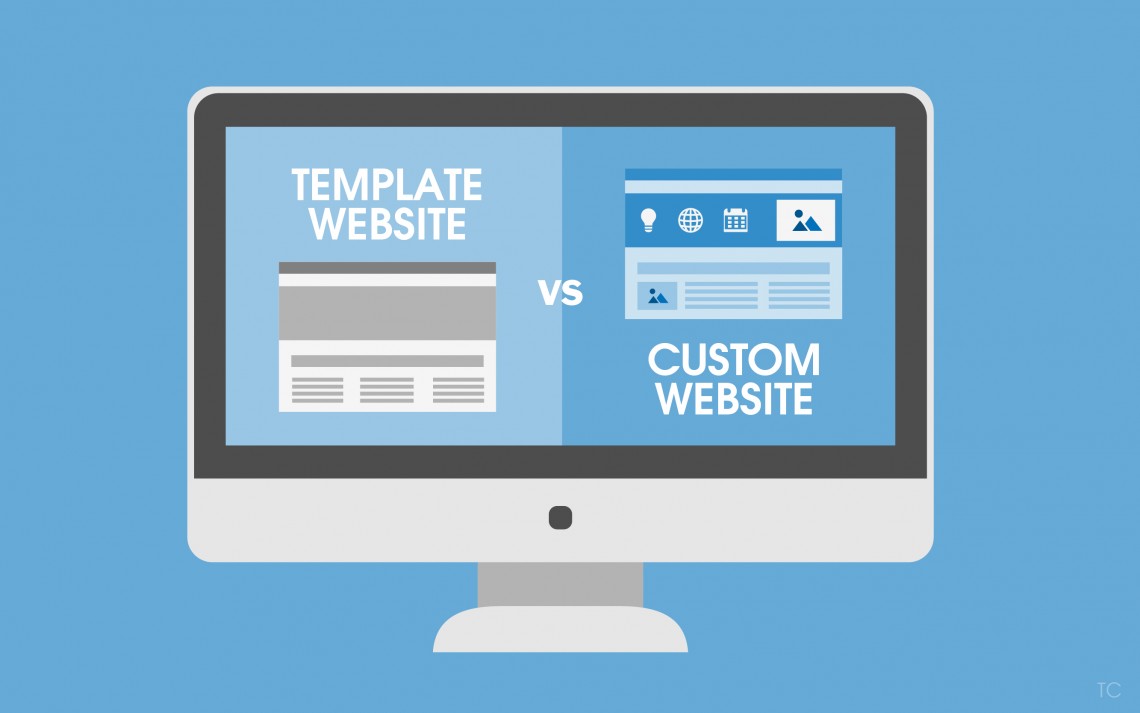
The Quick Comparison: Custom vs. Template
Feature | Custom Website | Template Website |
Upfront Cost | High ($5,000 – $50,000+) | Low ($0 – $500) |
Launch Speed | Slow (8–12+ weeks) | Fast (Hours to days) |
SEO Potential | Elite (Clean code, fast load) | Moderate (Code bloat, shared CSS) |
Scalability | Unlimited | Restricted by framework |
Unique Branding | 100% Unique | Common "Cookie-cutter" feel |
Custom Websites: The High-Performance Asset
A custom website is a precision-engineered digital tool built specifically for your business goals. Unlike generic templates, these sites prioritize clean code, rapid load speeds, and unique user experiences. By aligning every pixel with your brand identity, a custom build transforms your online presence into a high-performance engine for long-term growth.
The Pros
Choosing a custom build offers unparalleled flexibility and competitive advantages. You gain total control over your site’s architecture, ensuring it scales alongside your business. From lightning-fast performance to a completely unique aesthetic that stands out in a crowded market, the benefits center on creating a professional, high-converting, and sustainable digital foundation.
Superior SEO & Performance
In 2026, search engines prioritize user experience above all else. Custom websites excel here by eliminating the "code bloat" typically found in one-size-fits-all templates. With a lean backend, your site achieves elite Core Web Vitals scores and faster mobile indexing. This technical optimization ensures that every page loads instantly, reducing bounce rates and signaling to Google that your content is high-quality. Ultimately, superior performance translates directly into higher organic rankings and a significant edge over slower, template-based competitors.
Conversion Rate Optimization (CRO)
A custom website is designed with your specific customer journey in mind, rather than forcing your content into a pre-set box. By using data-driven layouts and intuitive navigation, you can guide users seamlessly toward your primary Call to Action (CTA). Whether it is a bespoke checkout flow or a specialized lead capture form, every element is optimized to reduce friction. This strategic alignment between design and user intent consistently results in higher conversion rates and a much better return on investment.
Ownership & Security
When you invest in a custom site, you own the intellectual property entirely. You aren't tied to a specific theme developer’s update schedule or a proprietary platform’s limitations. Furthermore, custom builds are inherently more secure; hackers often target popular templates because a single vulnerability can grant access to thousands of sites. By using a unique codebase and high-end security protocols tailored to your needs, you significantly lower your risk profile. This provides peace of mind for both your business and your customers' data.
The Cons
While the advantages are significant, custom development isn't the right fit for everyone. The primary drawbacks involve the substantial initial investment of both time and capital. Because these sites are built from scratch, they require professional expertise and a longer development cycle, making them less ideal for businesses needing an immediate, low-cost solution.
Resource Intensive
Building a custom website requires a significant commitment of financial and human capital. You aren't just buying a product; you are hiring a team of specialized designers, developers, and SEO strategists. This upfront cost can be a barrier for early-stage startups or small businesses with limited budgets. Additionally, the project requires your internal team's time for feedback, content strategy, and approvals, making it a major organizational undertaking.
Delayed Gratification
Unlike a template that can be launched in a single afternoon, a custom website is a marathon, not a sprint. The process—from initial wireframing and UI design to backend development and rigorous QA testing—usually takes several months. This timeline can be a disadvantage if you have an urgent product launch or a seasonal deadline. You must be prepared to wait for the final result to ensure every feature is polished.
Template Websites: The Rapid Launchpad
Template websites act as the ultimate "express lane" for digital entry. Built on pre-existing frameworks like WordPress, Shopify, or Squarespace, these themes allow businesses to bypass the lengthy development phase. It’s a turnkey solution that prioritizes speed and accessibility, making it the go-to choice for those needing a professional look without the high-end engineering costs.
The Pros
The primary appeal of templates lies in their efficiency and cost-effectiveness. They democratize web design, allowing anyone to launch a functional site with minimal technical knowledge. With built-in features, community support, and proven design patterns, templates provide a reliable foundation for businesses that need to establish an online presence quickly while maintaining a lean budget.
Budget-Friendly
For many startups, capital is the most constrained resource. Template websites solve this by offering professional-grade aesthetics for a fraction of the cost of custom development. Instead of paying for hundreds of hours of design and coding, you are essentially licensing a pre-built structure. This allows you to allocate your precious marketing budget toward customer acquisition or product development rather than a heavy upfront infrastructure investment.
User-Friendly
Modern templates are designed with the non-developer in mind. Featuring intuitive drag-and-drop interfaces and visual builders, they empower business owners to make real-time updates without writing a single line of code. This autonomy is crucial for small teams; you can swap images, update service pricing, or post blog content instantly. You aren't tethered to a developer’s schedule or hourly rates for simple, everyday site maintenance and content refreshes.
Proven Layouts
Top-tier templates are often crafted based on industry standards and user behavior data. Whether you are running an e-commerce store or a law firm, there is likely a template optimized for that specific niche. These layouts use established UI/UX patterns that users are already comfortable with, ensuring a familiar navigation experience. By leveraging these "tried and true" designs, you reduce the risk of confusing your visitors with overly experimental navigation or layouts.
The Cons
While templates offer speed, they often come with "hidden" limitations that can hinder long-term growth. The convenience of a pre-made design often means sacrificing performance, originality, and granular control. As your business evolves, you may find yourself fighting against the template’s rigid structure, leading to technical frustration or the realization that your site looks exactly like a dozen others in your industry.
The "Template Tax"
One major drawback is "code bloat"—the excess scripts and features included to make the template versatile for everyone. Because the theme must accommodate various layouts, it carries heavy files that you may never use. This extra weight slows down your page load speeds, which can negatively impact your SEO rankings and frustrate mobile users. In the world of web performance, you are essentially paying a speed penalty for the convenience of a pre-made design.
Generic Aesthetic
In a digital world where branding is everything, using a popular template can make your business feel like just another face in the crowd. When you use a "best-selling" theme, there’s a high probability your competitors are using the same fonts, headers, and button styles. This lack of visual differentiation makes it harder to build a unique brand identity or leave a lasting, memorable impression on your potential customers.
The Hidden Cost: Total Cost of Ownership (TCO)
While the initial price tag of a website is what most people focus on, the Total Cost of Ownership (TCO) reveals the true long-term investment. TCO accounts for the accumulated expenses of hosting, security, updates, and lost revenue over three to five years. Failing to calculate this can turn a "cheap" website into a massive financial drain that hampers your business growth.
Maintenance
Template-based websites often rely on a "stack" of third-party plugins to function correctly. As browsers and CMS platforms (like WordPress) update, these plugins frequently break or create security vulnerabilities. Managing these constant updates requires technical oversight; if you aren't doing it yourself, you are paying a developer hourly to fix "plugin bloat" or compatibility issues. Over several years, these maintenance hours can easily surpass the one-time development cost of a clean, custom-coded site that requires far fewer external dependencies.
Opportunity Cost
This is the most overlooked "hidden" cost in web development. If a custom-built site is optimized for speed and user experience, it might convert at 5%. A slower, generic template might only convert at 2%. While you saved money upfront on the template, you are effectively "losing" 60% of your potential customers every single day. Over a year, that gap represents thousands—or even millions—of dollars in unrealized revenue. A high-performing site isn't just an expense; it is a revenue-generating asset where "saving" money on the build actually costs you money in sales.
The Final Verdict: Which One Should You Choose?
Deciding between custom and template depends on your business stage. If you need a rapid, low-cost launch, a template is your best entry point. However, for established brands prioritizing SEO, scalability, and high conversions, a custom build is the superior investment.
Choose a Template If:
You are a solopreneur or a brand-new startup.
You need to launch a landing page or "brochure" site in under two weeks.
Your primary goal is an online presence rather than high-volume lead generation.
Choose Custom If:
Your website is a primary revenue driver.
You are in a highly competitive industry where SEO and speed are your main advantages.
You have specific functional needs (portals, complex databases, or unique UX).